
The Science of Wellness: From Herbs to Exercise
Welcome to our three-week course on Health and Wellness! The Science of Wellness: From Herbs to Exercise is designed to provide you with the knowledge and skills necessary to maintain optimal health and wellness through using herbs, complementary and integrative medicine, and exercise. You will learn about the benefits and risks associated with different herbs, modalities, and exercises. Through a combination of lecture-style teaching, handouts, class discussions, and hands-on activities, you will gain a comprehensive understanding of how to live a healthy and balanced life. Click the buttons below to learn more.
Week 1: Herbs
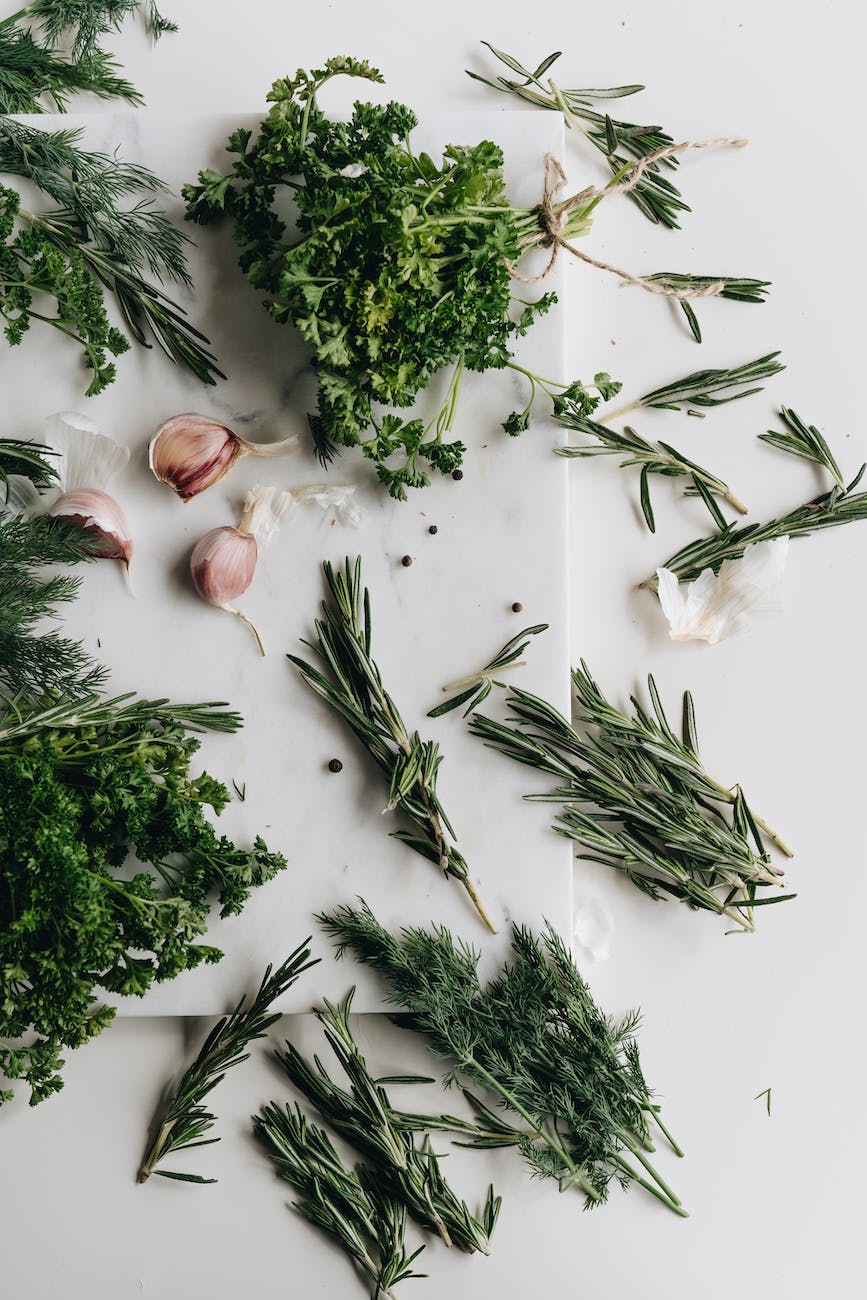
This week’s course aims to introduce students to the basics of herbal medicine and explore how different cultures around the world use herbs. The project will cover the history of herbs, their benefits, risks, and side effects, and provide examples of herbs that can be grown at home. By learning about the various uses of herbs in different cultures, students will develop an understanding and appreciation for the diversity of traditional healing practices. Multicultural literacy is important in the field of health and wellness because different cultures have unique beliefs, practices, and values related to health and healing. Understanding and respecting these cultural differences can lead to more effective communication, better patient outcomes, and a more inclusive healthcare system.
Week 2: Complementary & Integrative Medicine
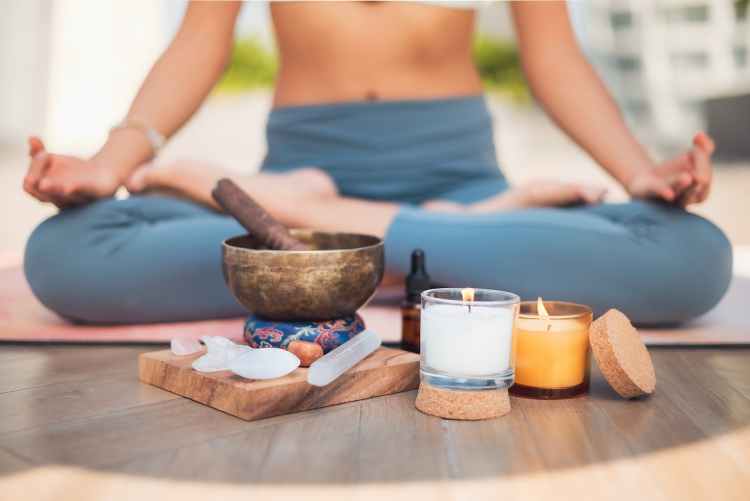
This week’s course introduces students to complementary and integrative medicine. The presentation describes a few CIM modalities and their benefits and risks, explains the concept of mindfulness, and discusses the scientific evidence supporting the benefits of mindfulness and meditation. Reputable research is important in the field of health and wellness because it provides the evidence necessary to ensure the effectiveness and safety of alternative therapies. Evidence-based practice is essential in providing high-quality care to patients and clients. By using scientific evidence, healthcare professionals can make informed decisions about which modalities are appropriate for each individual’s unique needs.
Week 3: Exercise
Over the last few weeks, we have explored how herbs and complementary and integrative medicine can be used for optimizing health and wellness. In our third and final course, we will discuss exercise, its numerous benefits, its potential risks, the four types of exercise with some examples, and safety tips for each type. These courses combined help to provide a comprehensive awareness and understanding of how one may foster optimal health and wellness from a holistic approach, improving their overall quality of life.

 Transformation Elevation